
Projects
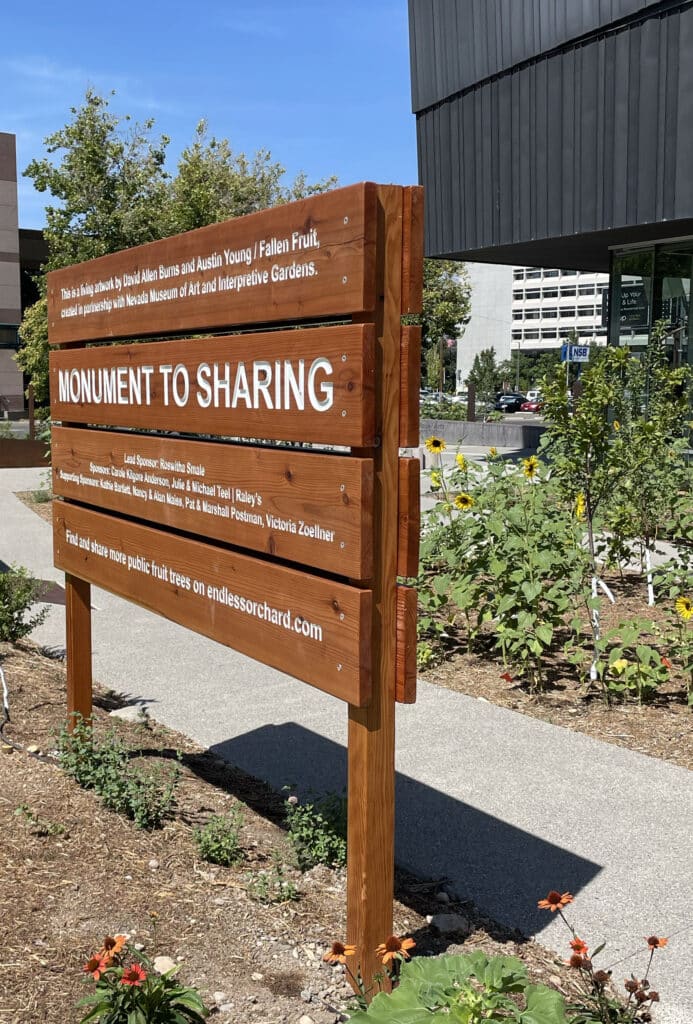
Monument to Sharing at the Nevada Museum of Art
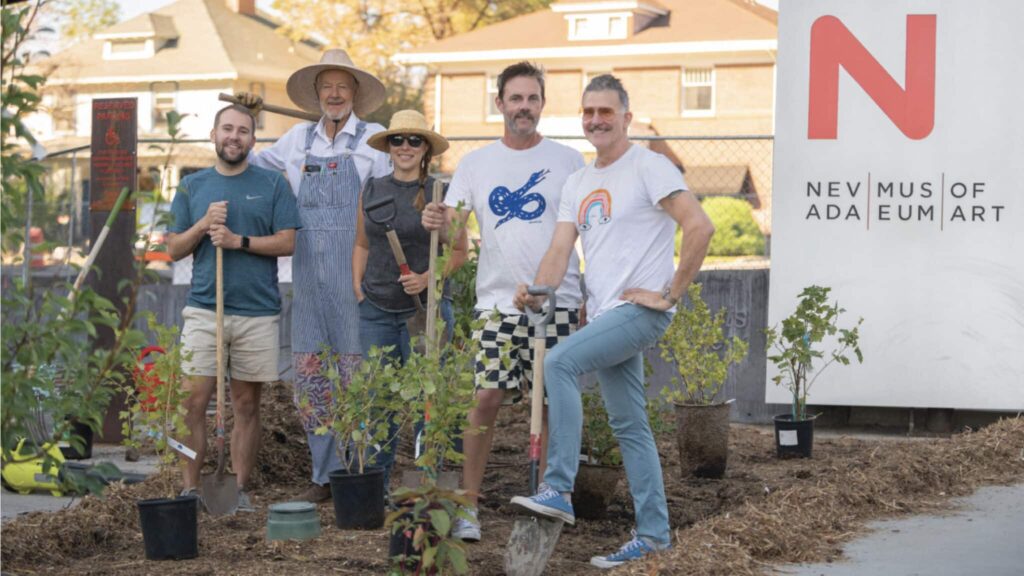
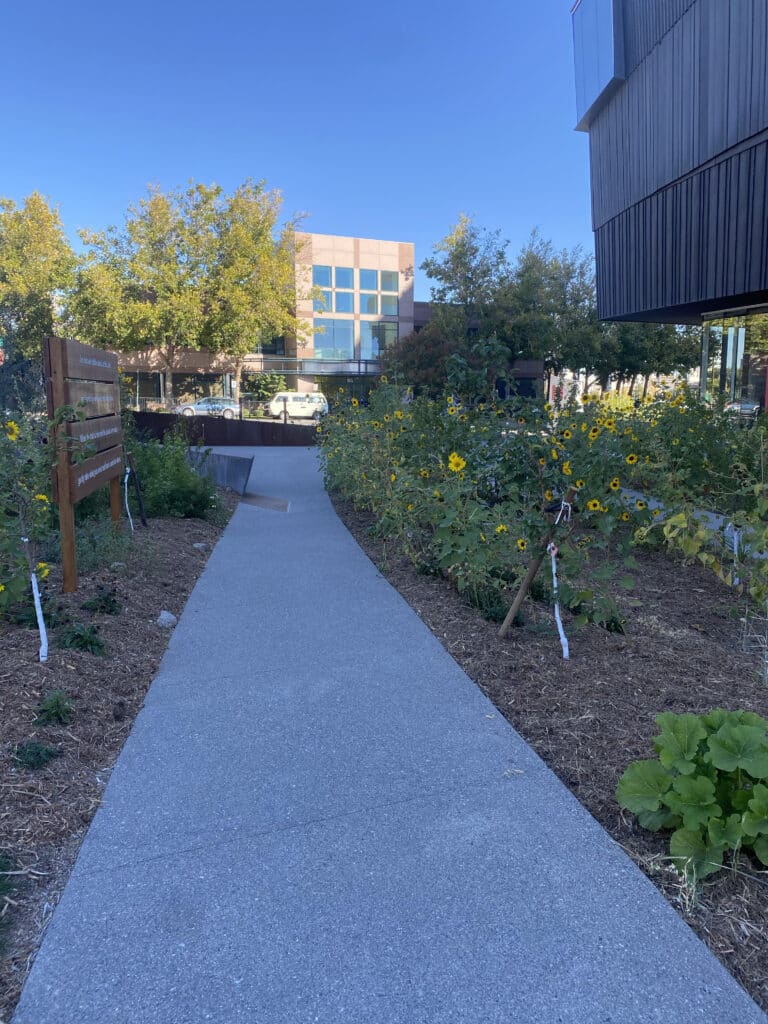
Fallen Fruit, artists David Allen Burns and Austin Young, has been commissioned to create a large-scale public work of art entitled Monument to Sharing. This living installation is the first element of a multi-phased Museum expansion scheduled for completion in early 2025.
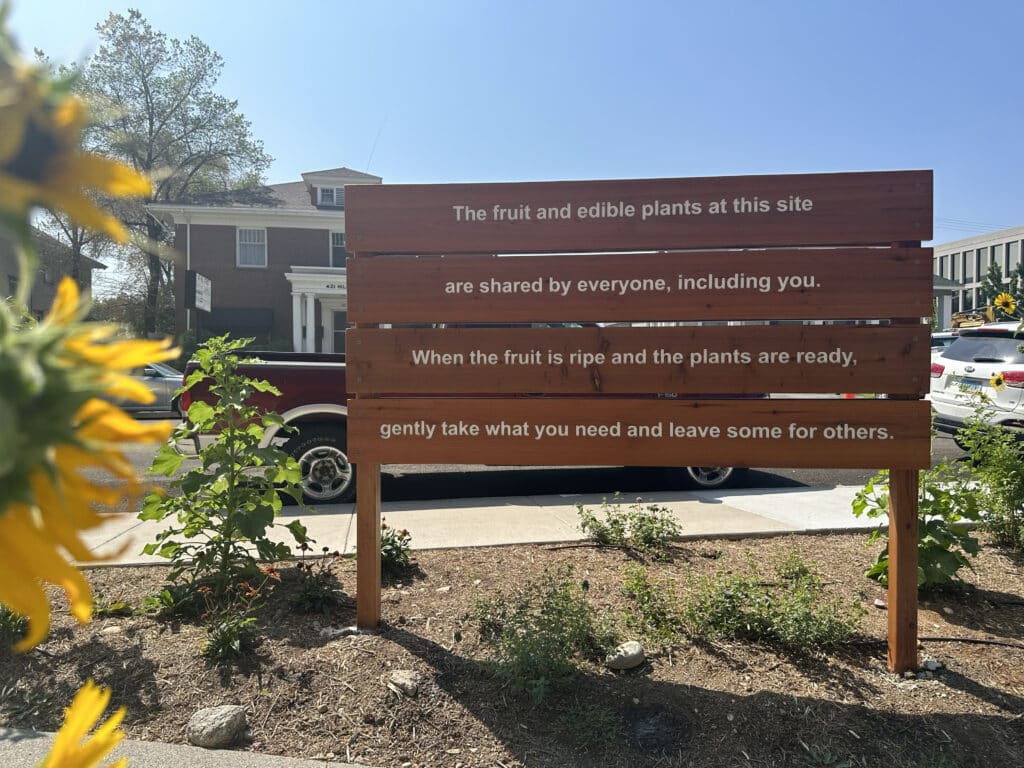
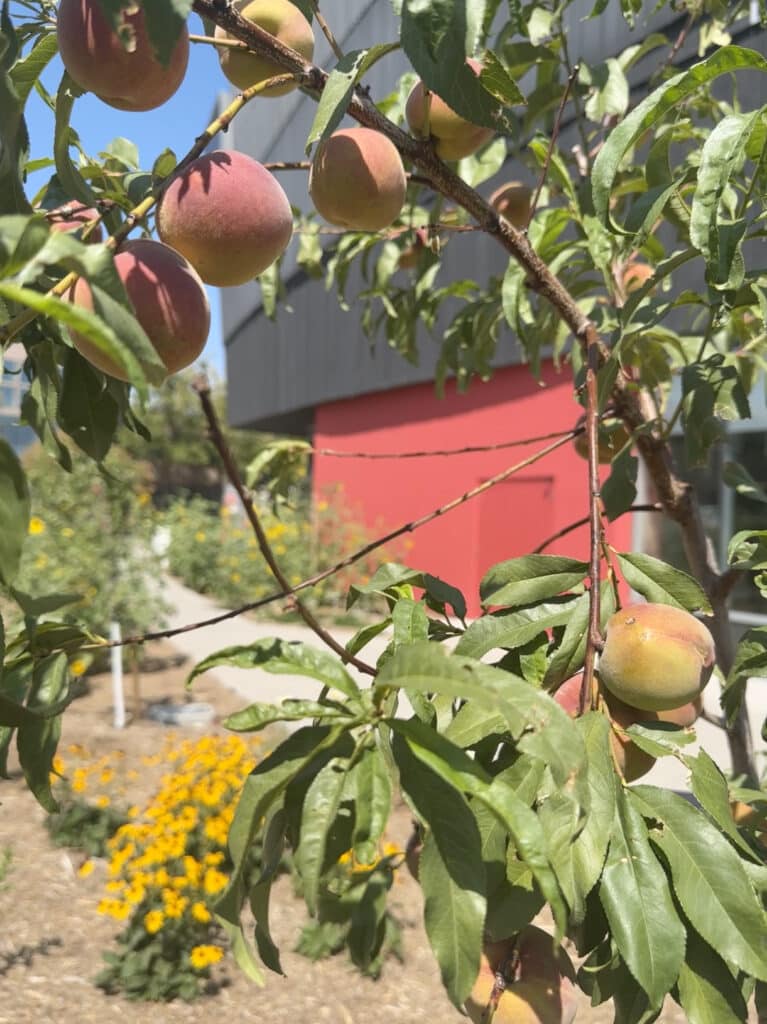
Monument to Sharing involves planting approximately twenty-one fruit-bearing trees, a berry patch and a series of edible pollinators that the public is welcome to “harvest,” inviting guests to explore ideas of generosity, agricultural production and the meaning behind “community.”
According to the artists, pieces of “fallen fruit” can connect us in interesting ways: “We believe everyone is a collaborator in making something special – even the stranger or passerby. We believe that ‘artwork’ has a ‘resonant effect.’ Fruit is a universal gift to humanity and fruit is always political.” Both interactive and collaborative, Monument to Sharing is a unique expression of local history—especially the region’s agricultural heritage. The artists encourage guests to gently pick the fruit they need, while leaving enough to share with others.
Fallen Fruit was originally conceived in 2004 by Matias Viegener, Burns and Young. Since 2013, Burns and Young have continued the collaborative work. The collective began creating interactive installations for a project in Los Angeles for which they created maps of what the artists called “public fruit,” or fruit trees that grew over public property. The artists use cartography and geography to create serialized and site-specific works that embrace public participation. These include photographic portraits, experimental documentary videos, public art installation, exhibition projects and a community-contributed magazine specific to the installation. Using fruit — and public spaces — as a method of exploring the familiar, the collective Fallen Fruit encourages all of us to change the way we see the world.
Other public fruit parks include The Endless Orchard, UB Art Gallery, Buffalo, NY; Weinland Park Berry Patch and South Side Fruit Park, Wexner Center, Columbus, OH; and Monument to Sharing, Los Angeles Historic Park. Los Angeles, CA. Installations include Paradise, Portland Art Museum, Portland. OR; CRAZY, Chiostro Del Bramante, Rome, Italy; Empire, Newcomb Art Museum, New Orleans, LA; Teatro del Sole (Theater of the Sun), Manifesta 12 Biennale, Polermo, Sicily, Italy; and Fruits from the Garden and Field, Victoria and Albert Museum, London, England.
Curator Apsara Diquinzio
Lead Sponsor Roswitha Kima Smale, PhD
Sponsor Carole Anderson Julie and Michael Teel | Raley’s
Supporting Sponsors Kathie Bartlett Nancy and Alan Maiss Pat and Marshall Postman Victoria Zoellner
Conversazioni Sacre / Sacred Conversations, Accademia Carrara, Bergamo 2023
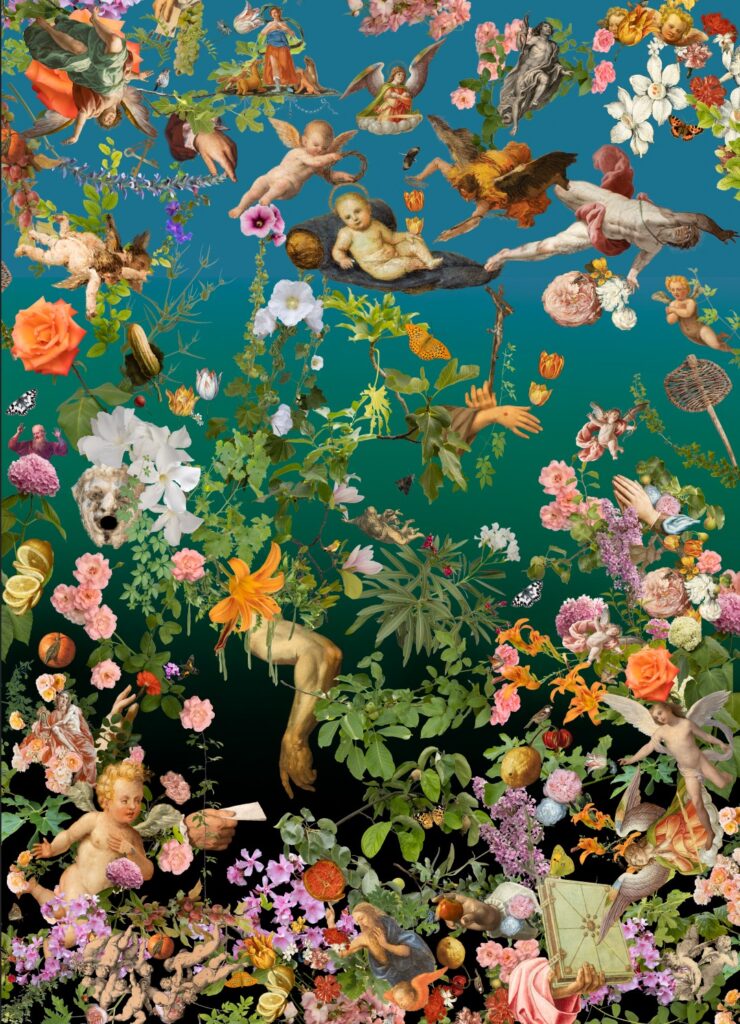
Sacred Conversations happen everyday. Between a mother and child, a grown man and his father, a friend consoling another friend, a teacher and a student, and more. These small conversations shape our lives, inform how we love, expand our feelings, galvanize the world around us. It is these small moments of intimacy and trust that locks an experience into an understanding for a lifetime. They shape our character. They embolden our moral ethics. They enhance our ability for compassion towards others. It is said that the last one of these kinds of conversations you experienced is, in fact, the last sacred conversation you needed to have. In this way, it is a kind of blessing.
Created for Accademia Carrara, Sacred Conversations is an immersive artwork installation for the stairwell that connects the galleries of the historic museum. The artwork is sourced from hundreds of original photographs taken by the artists that include details from paintings, drawing, and etchings from the permanent collection. Along with documentation from the streets, parks, and piazzas of the city of Bergamo that include a variety of local fruits, flowers, birds, religious icons, and more. The title of the artwork ‘Sacred Conversations’ invokes a message about how the past relates to the present and often informs the future. And also, how sometimes in our lives, we travel from a place of darkness into light.
Continue reading “Conversazioni Sacre / Sacred Conversations, Accademia Carrara, Bergamo 2023”LOVE TRAP! / TRAPPOLA D’AMORE! CHIOSTRO DEL BRAMANTE
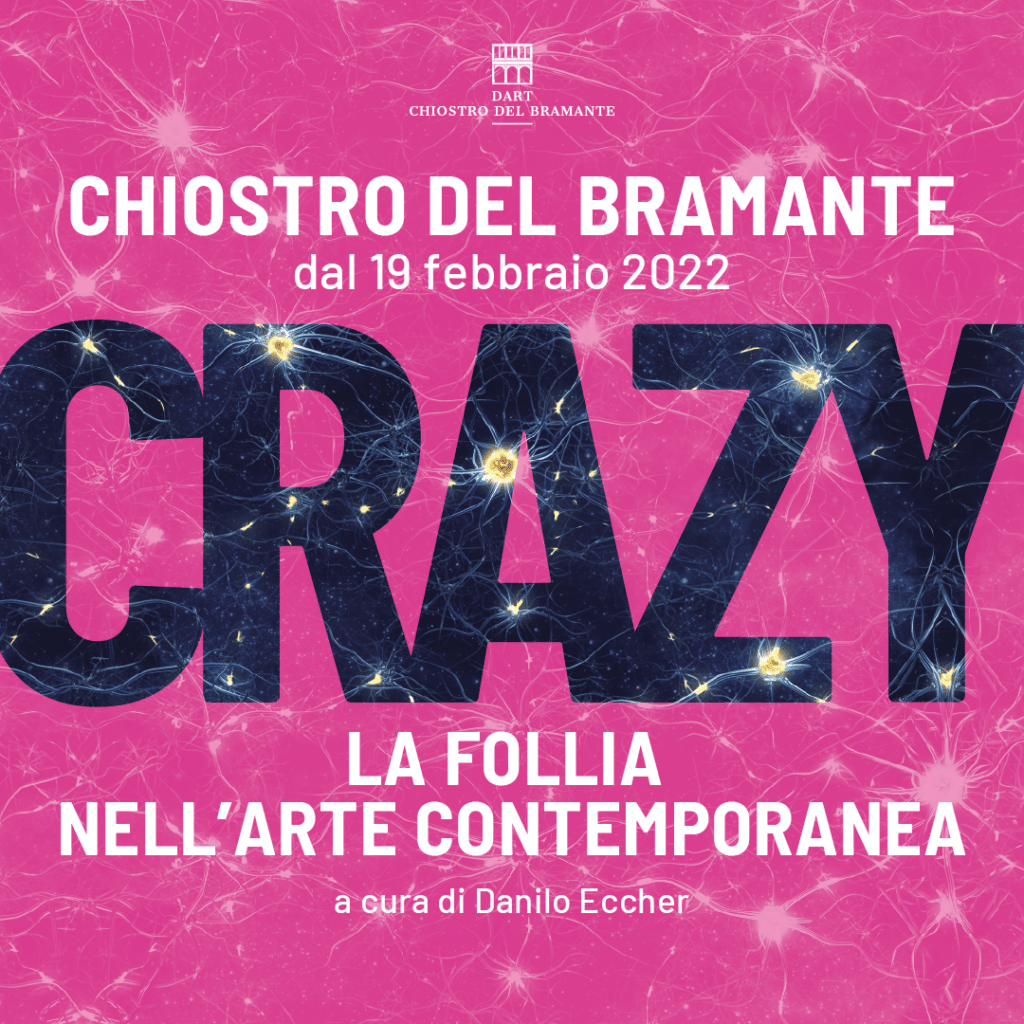
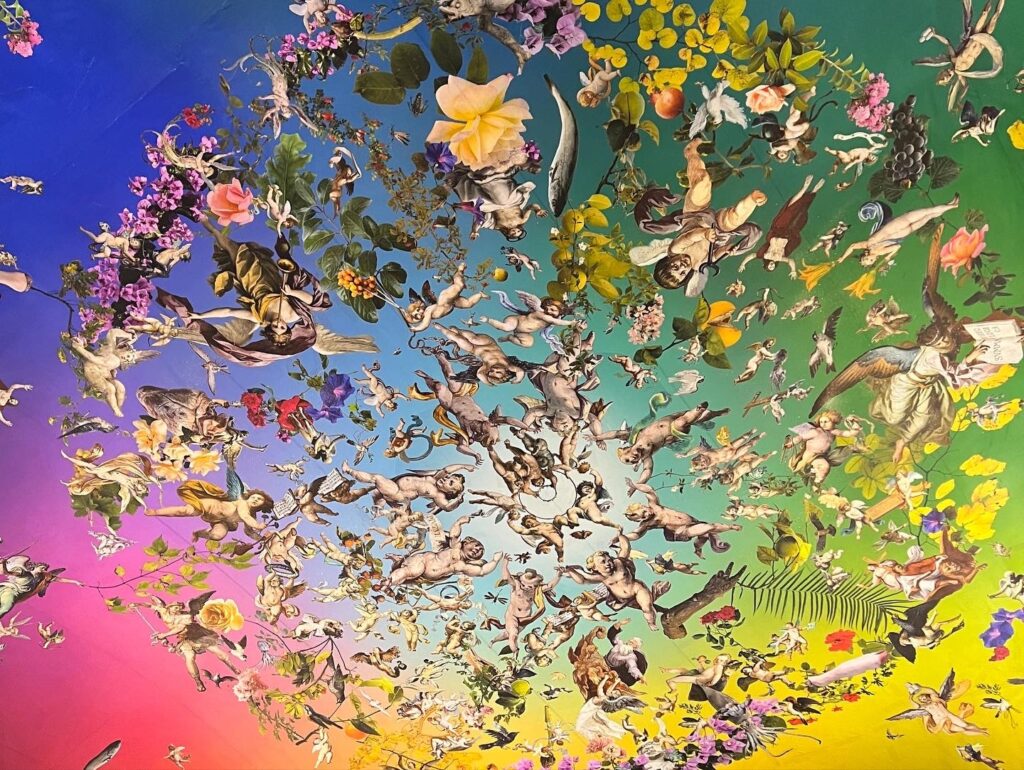
Dart – Chiostro del Bramante presents CRAZY: Madness in Contemporary Art
02.19.2022 – 01-08-2023
Curated by Danilo Eccher
21 international artists, more than 11 new site-specific installations: for the first time the works of art will invade the interior and exterior spaces of the Chiostro del Bramante in Rome, because madness can have no limits.
A perception of the world is the first sign of instability, the first contact between external reality and the brain, between physical truth and poetic creativity, between laws of optics and neurological disorders.
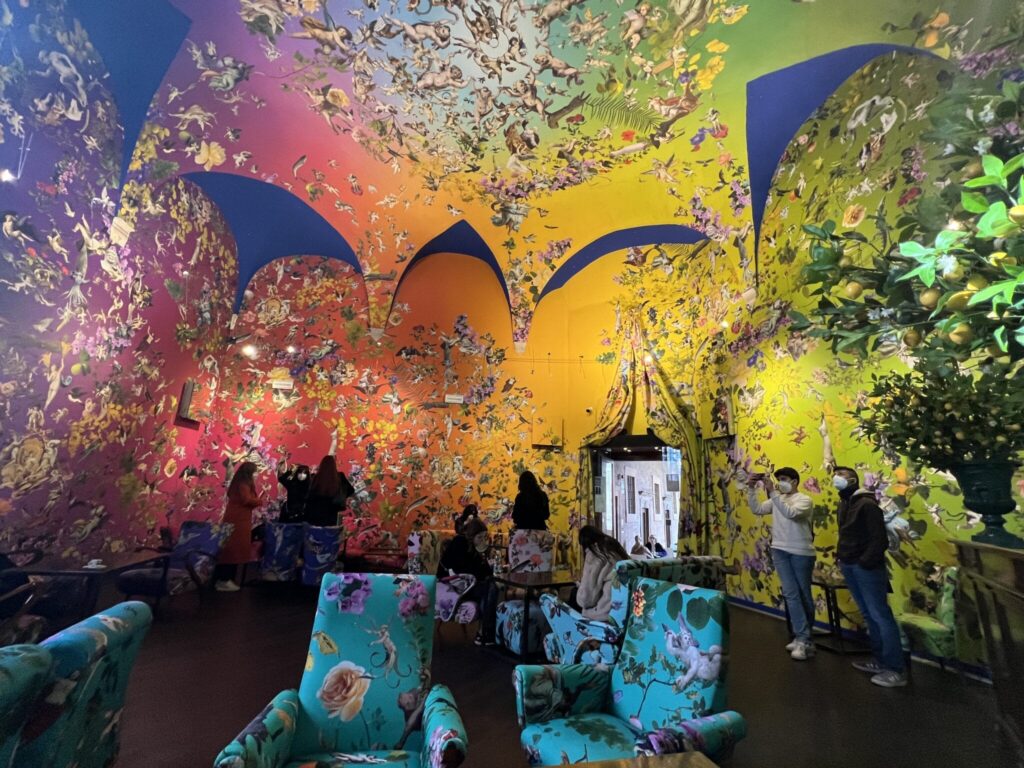
LOS ANGELITOS DE MEXICO, Puerto Vallarta, 2021
A new, permanent immersive artwork in the chapel of the gardens by Fallen Fruit / David Allen Burns and Austin Young. Opening celebration, November 2, 2021, at Vallarta Botanical Gardens
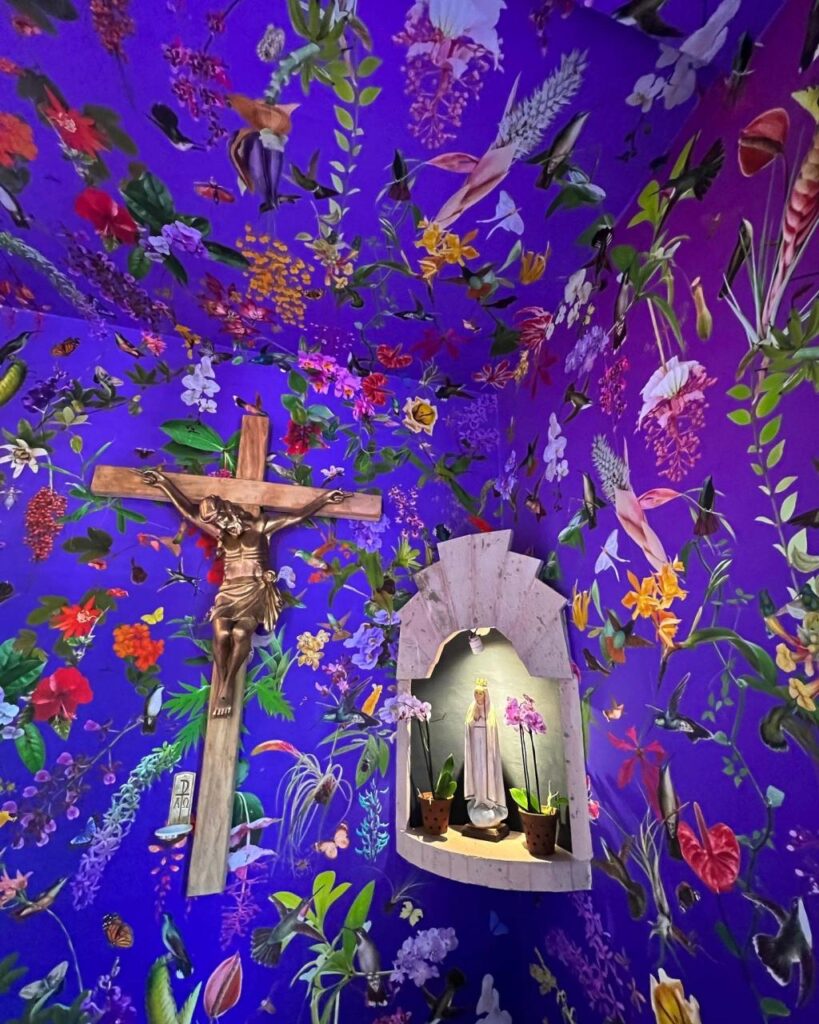
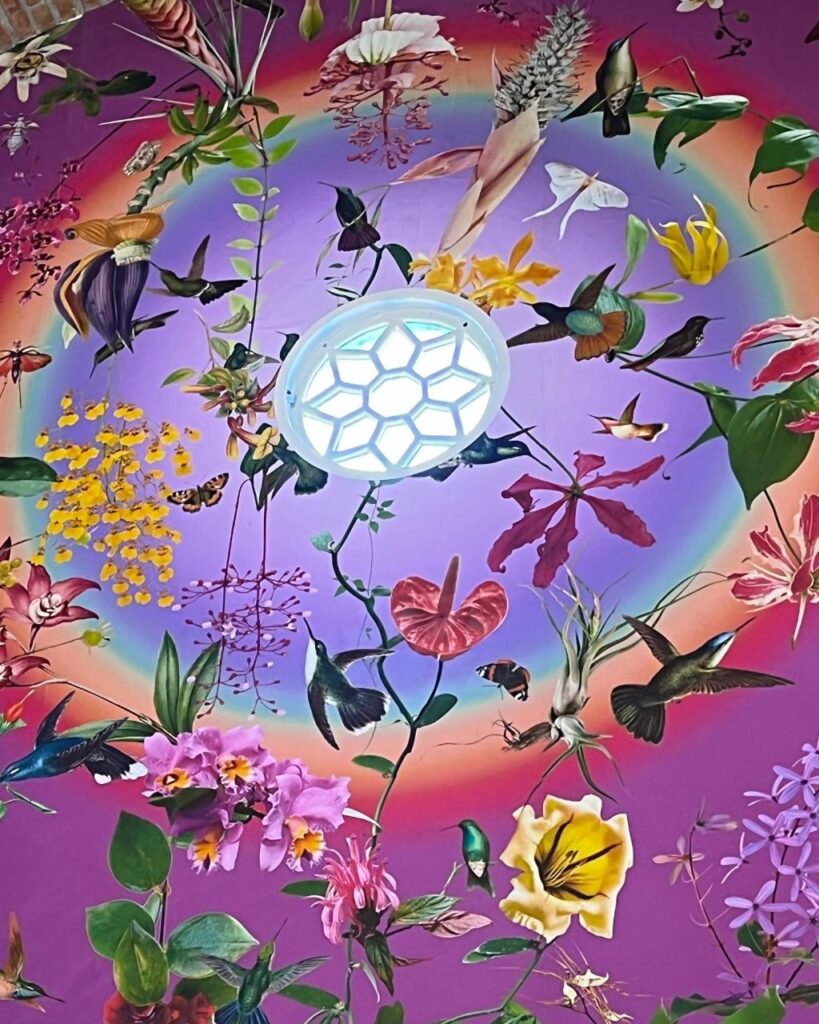
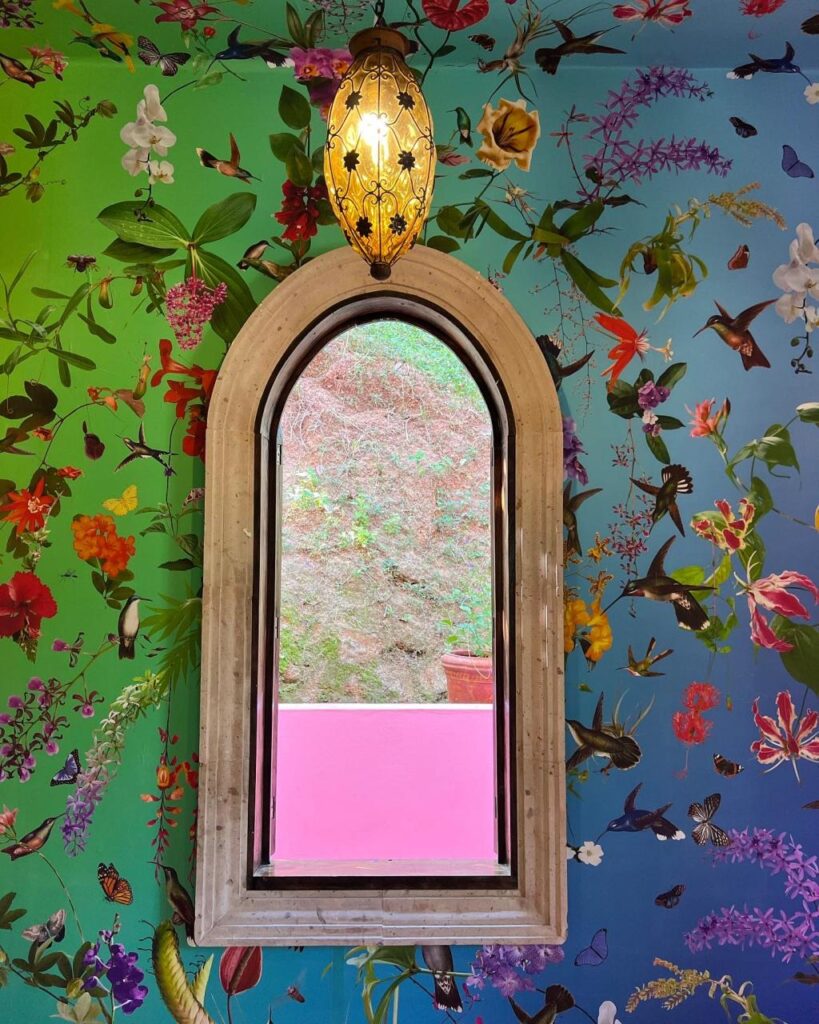
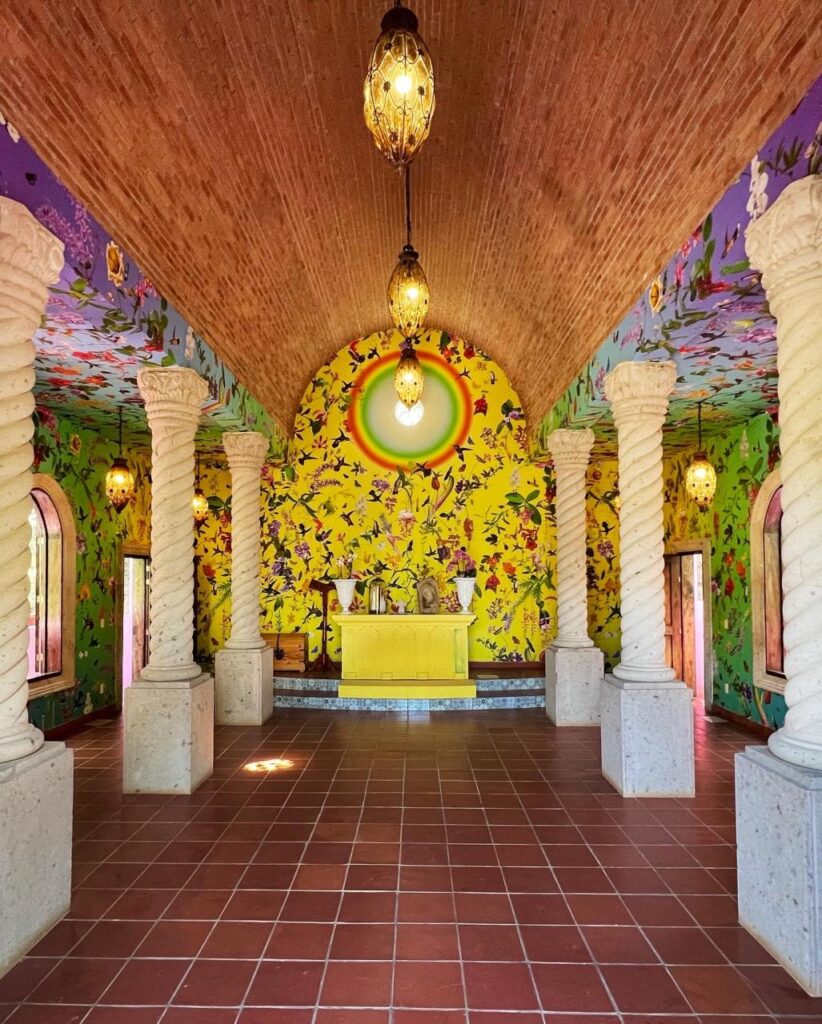
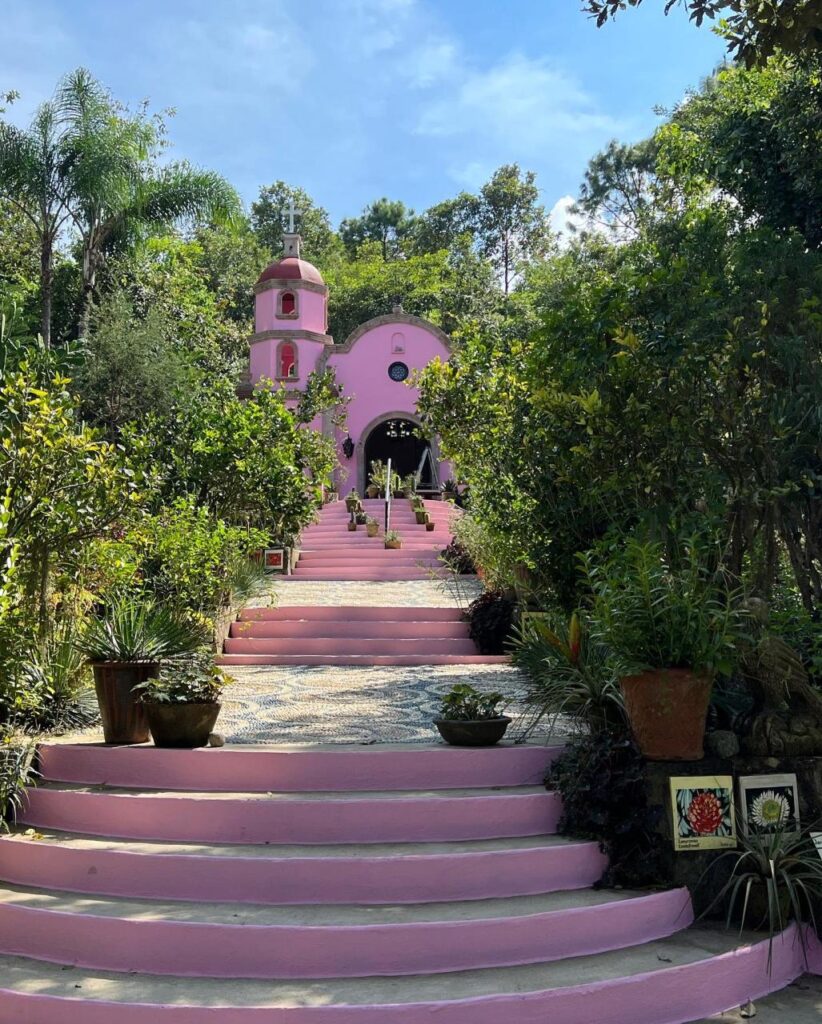
Los Angelitos de Nuestra Señora del Jardín, 2021
David Allen Burns and Austin Young / Fallen Fruit
Custom made wall covering, archival watercolor inks printed onto natural fabrics. Dimensions variable.
An immersive installation artwork created by the artists specifically for the chapel at the Vallarta Botanical Gardens, outside of Puerto Vallarta, Mexico. This unique asynchronous wall coverings source’s materials from hundreds of original photographs taken by the artists in the gardens at different times of year — as well as historic watercolors and lithographs, by Mexican botanist Rafael Montes de Oca and English ornithologist John Gould, respectively. Orchids and hummingbirds dance around the interior spaces intermixed with seasonal favorites from the botanical collection. The extraordinary flora and fauna naturalized by this exotic setting is permanently embellished into the interior spaces of the chapel and contextualized by never ending organically merging colorfields. The natural world turned inside out.
Continue reading “LOS ANGELITOS DE MEXICO, Puerto Vallarta, 2021”LIKE IN PARADISE
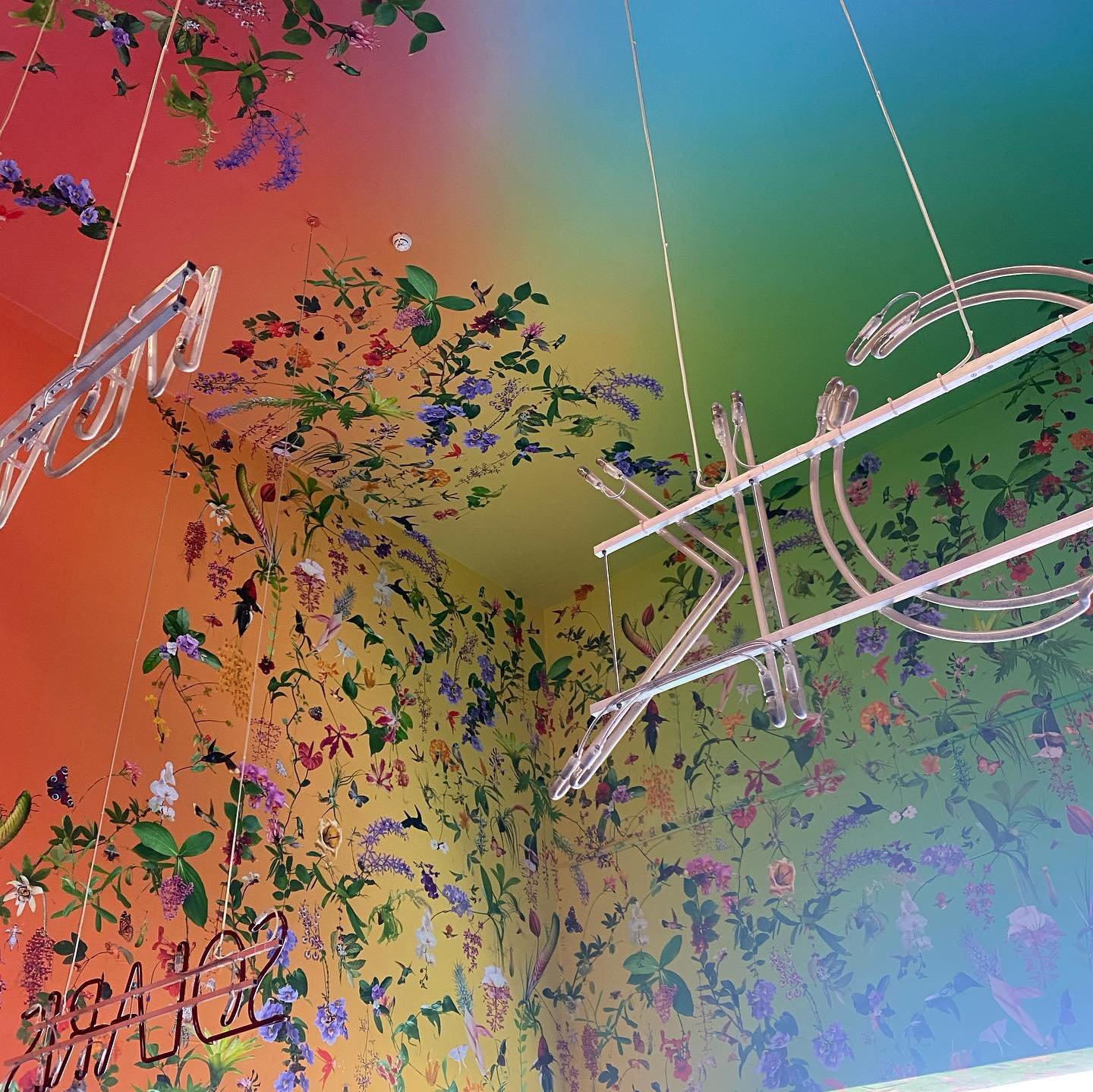
LIKE IN PARADISE I WIE IM PARADIES HÖHENRAUSCH Museum, Linz, Austria
OPENS MAY 6, 2021
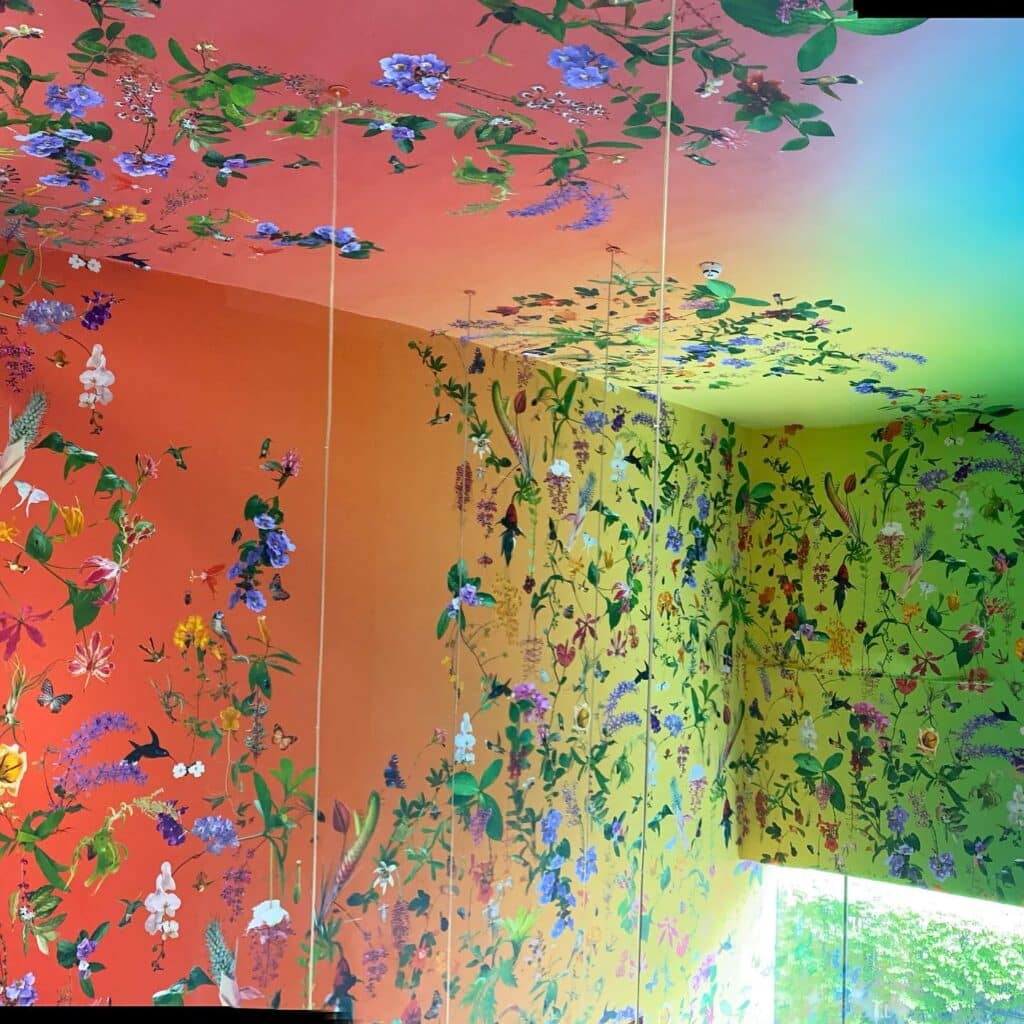
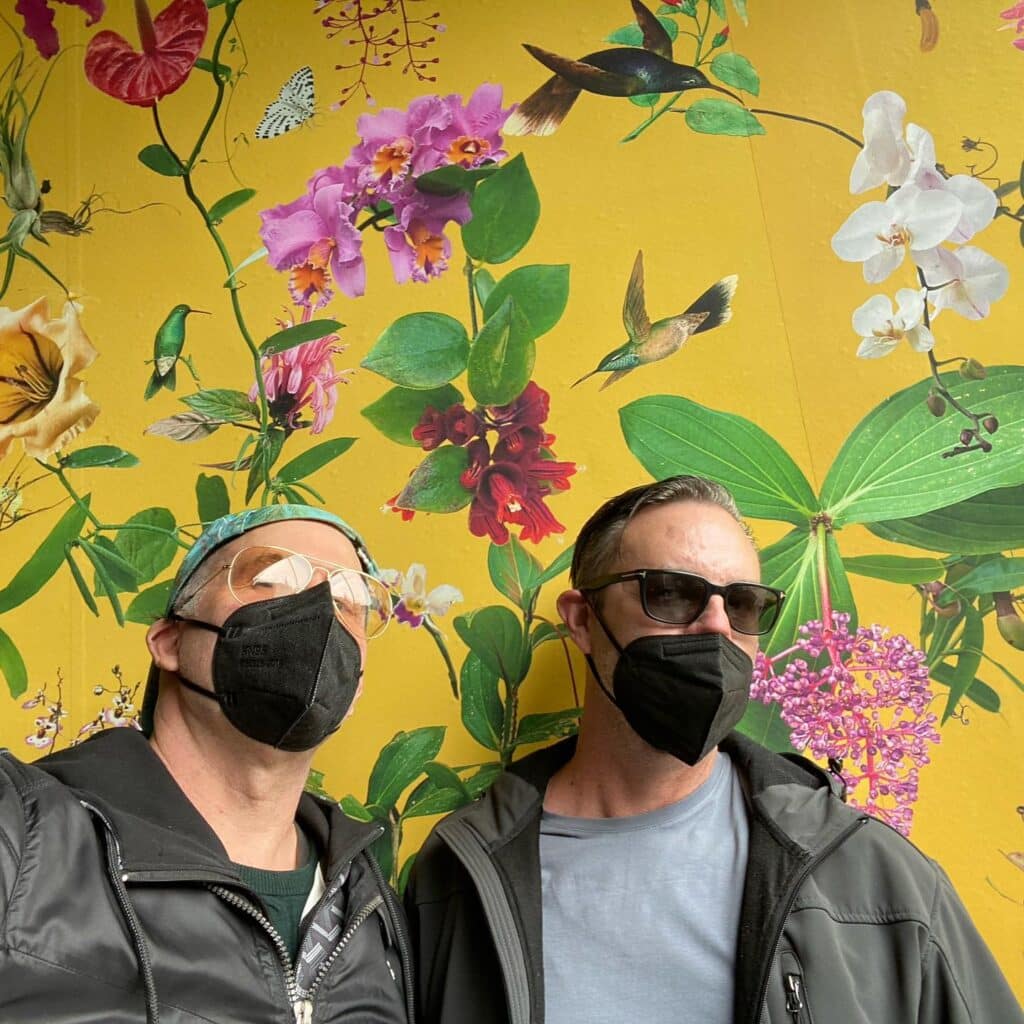
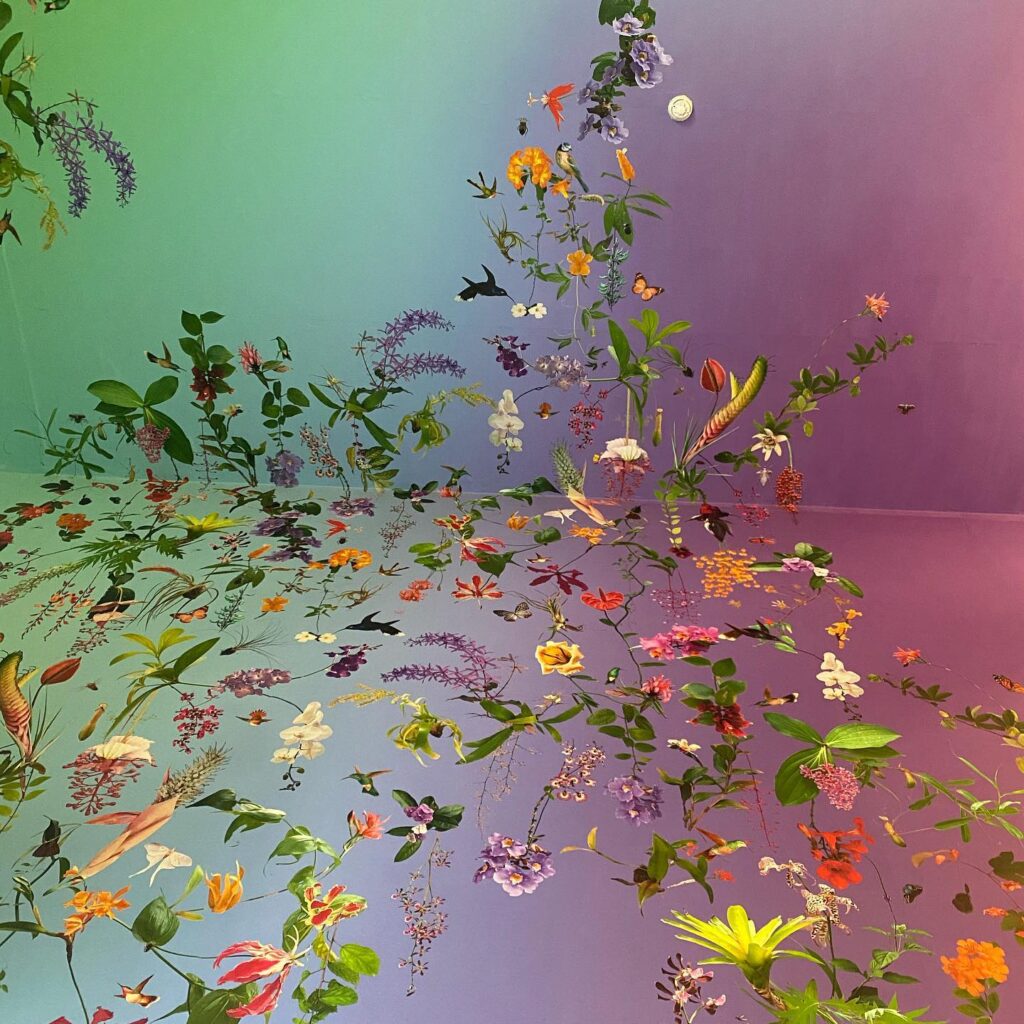
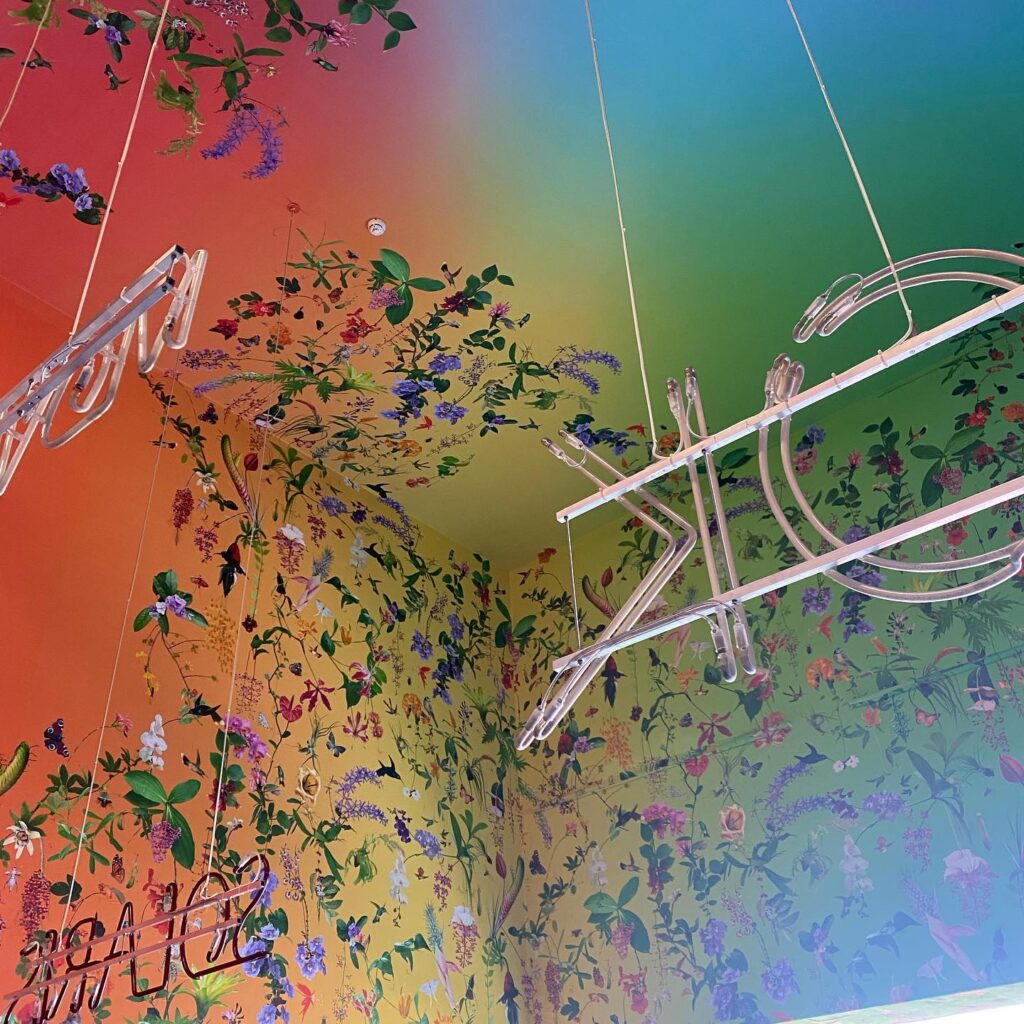
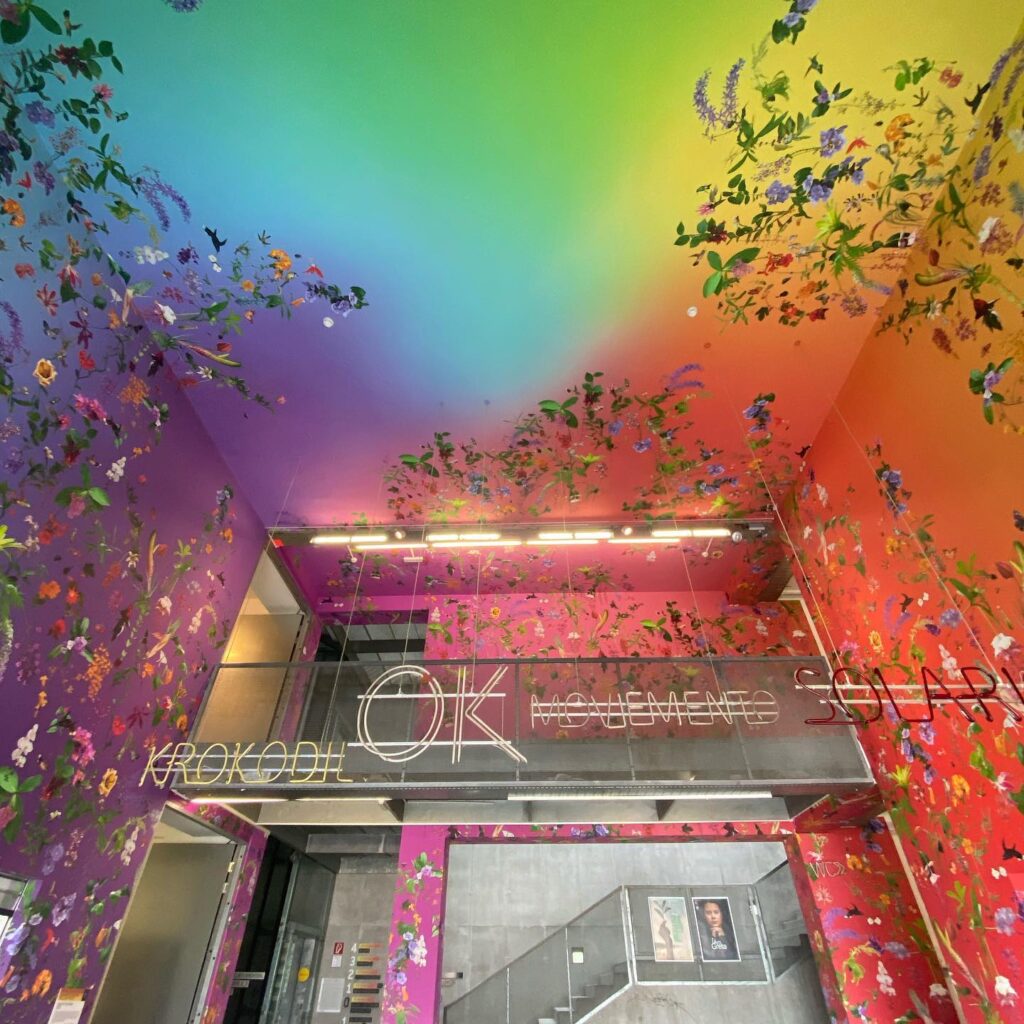
Fallen Fruit, along with more than 40 international artists have transformed HÖHENRAUSCH.
Fragrant love poems, a mirror garden with cherry trees, an artificial flock of birds as a tree of remembrance, a growing work of art made of artificial fertilizer and fans singing ecstatic songs by Madonna: more than 40 international artists transform the HÖHENRAUSCH into a worldly paradise, developing spaces for individual Dream and look behind the facades of purchasable illusions.
Continue reading “LIKE IN PARADISE”NGV TRIENNIAL 2020: FALLEN FRUIT: VIRTUAL TOUR
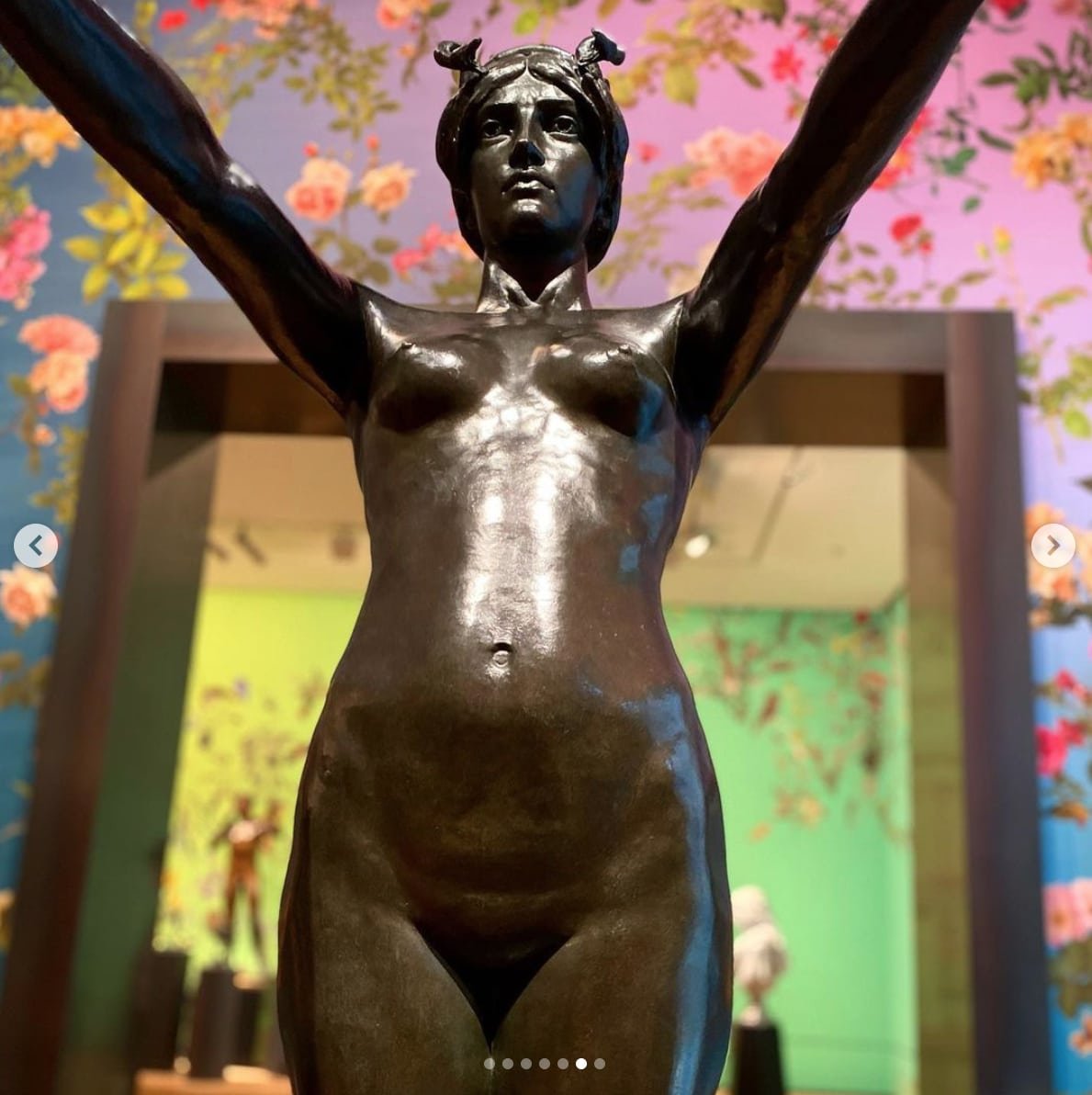
Take a virtual tour of ‘Natural History’ by Fallen Fruit / David Burns and Austin Young. A new artwork commissioned by the National Gallery of Victoria in Melbourne for the Triennial 2020. The wall text for the ‘Natural History’ triptych are below. https://www.ngv.vic.gov.au/virtual-tours/triennial-2020-fallen-fruit/
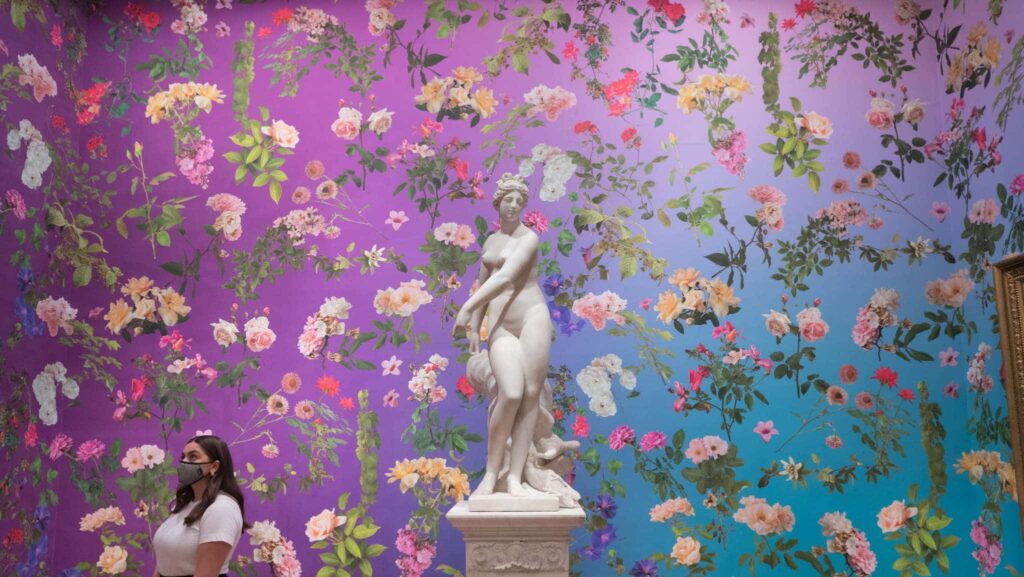
Natural History, 2020, Fallen Fruit / David Allen Burns and Austin Young
Continue reading “NGV TRIENNIAL 2020: FALLEN FRUIT: VIRTUAL TOUR”PLAN(e)T, Tel Aviv, 2020
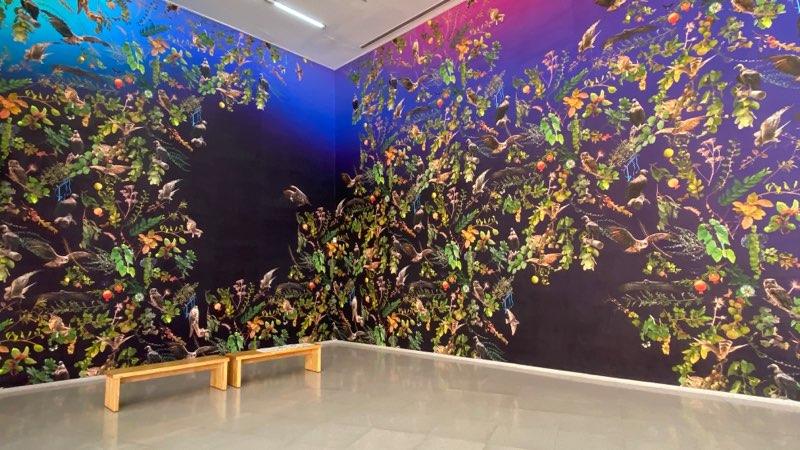
PROMISED LAND– Fallen Fruit art installation in Tel Aviv!
Plan(e)t
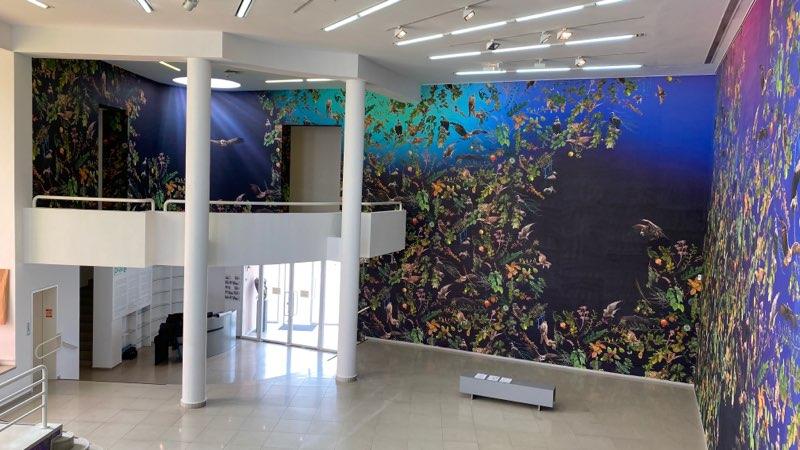
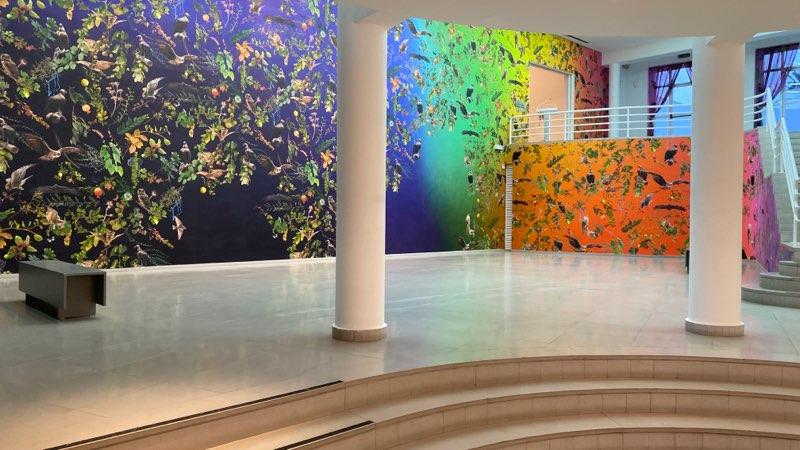
The Genia Schreiber University Art Gallery and Michel Kikoïne Foundation at Tel Aviv University, Israel
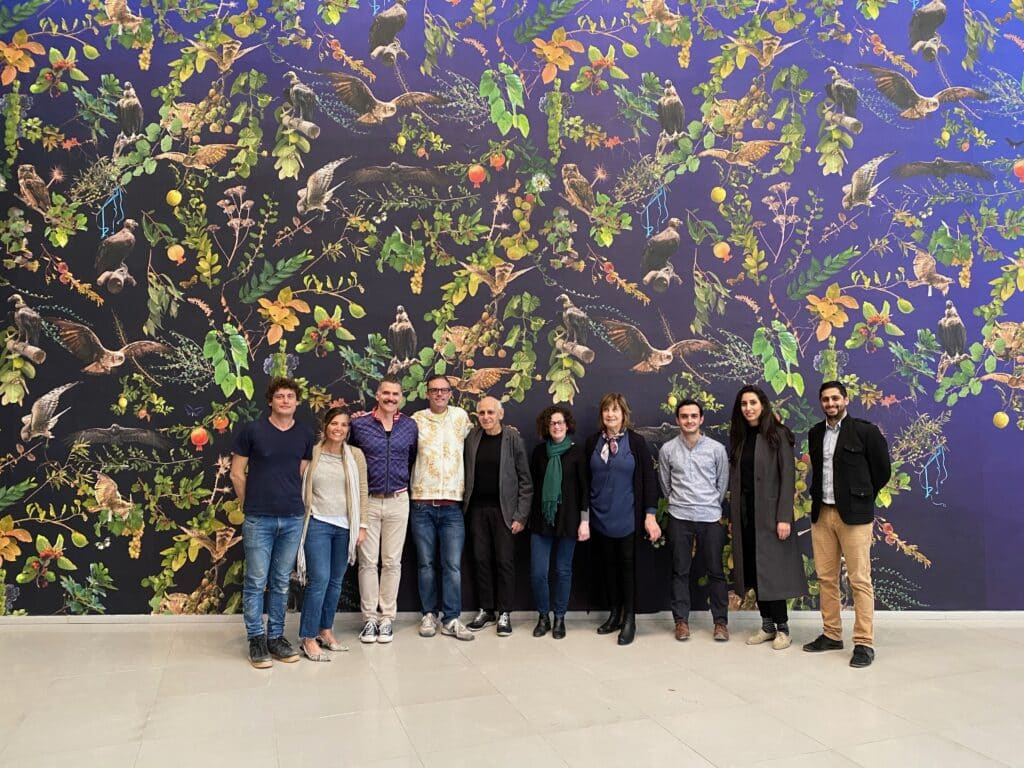
Artists: Fallen Fruit – David Allen Burns and Austin Young // Dr. Dafna Langgut // Dr. Yasmine Meroz // Liat Segal // Noam Rabinovich // Stéphane Thidet // Relli de Vries // Onya Collective- Heela Harel and Gil Harabaqiu
Chief Curators: Dr. Tamar Mayer and Dr. Sefy Hendler
Assistant Curator: Yifat Pearl
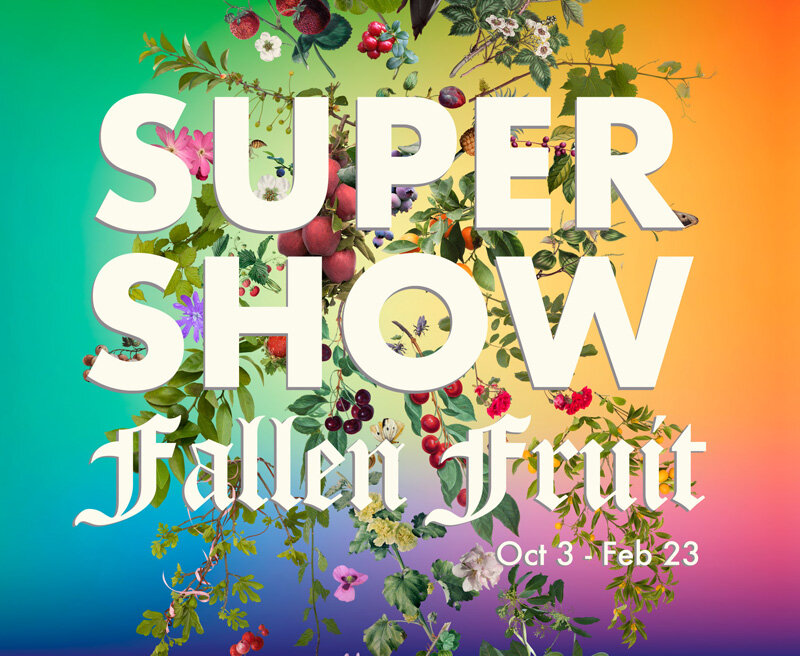
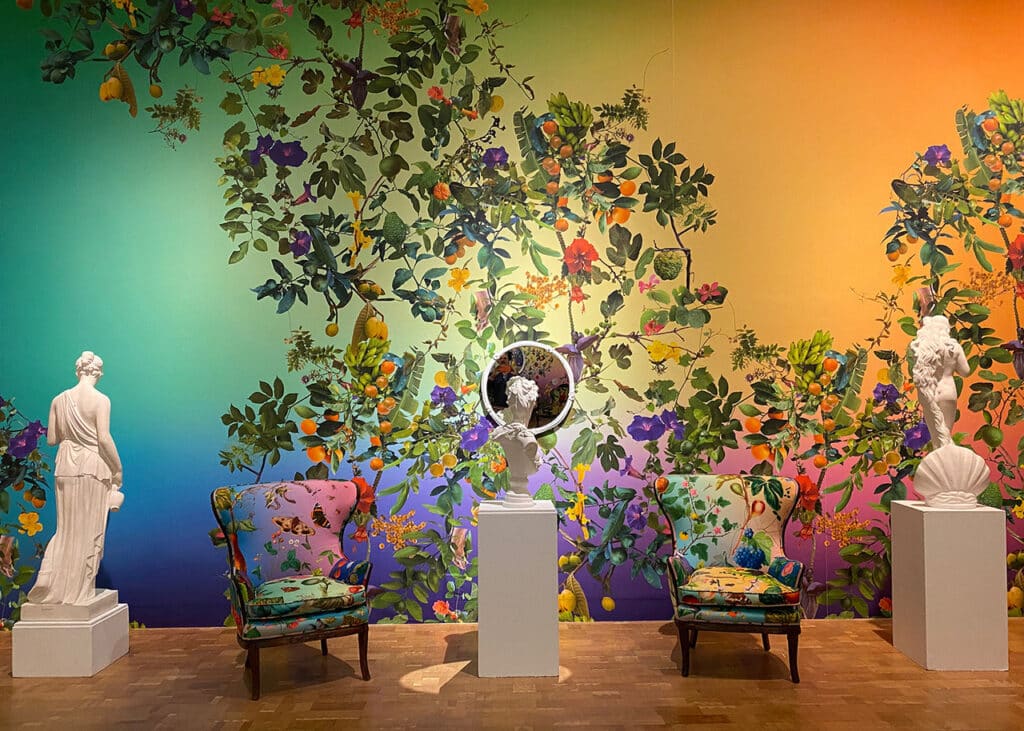
Fallen fruit SUPERSHOW!
an exhibition by Fallen Fruit (David Allen Burns and Austin Young)
October 3 – February 23
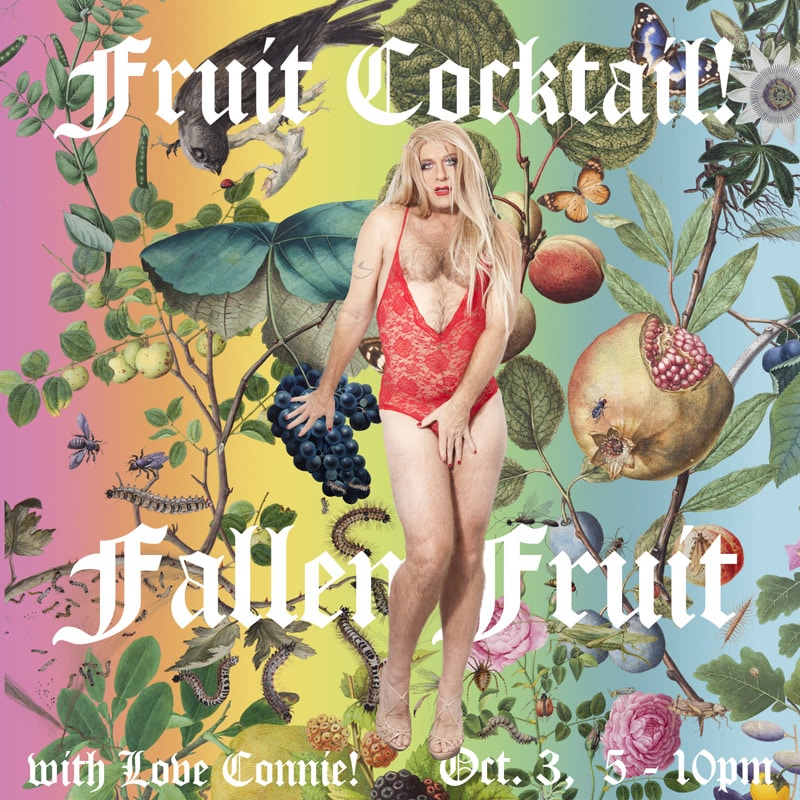
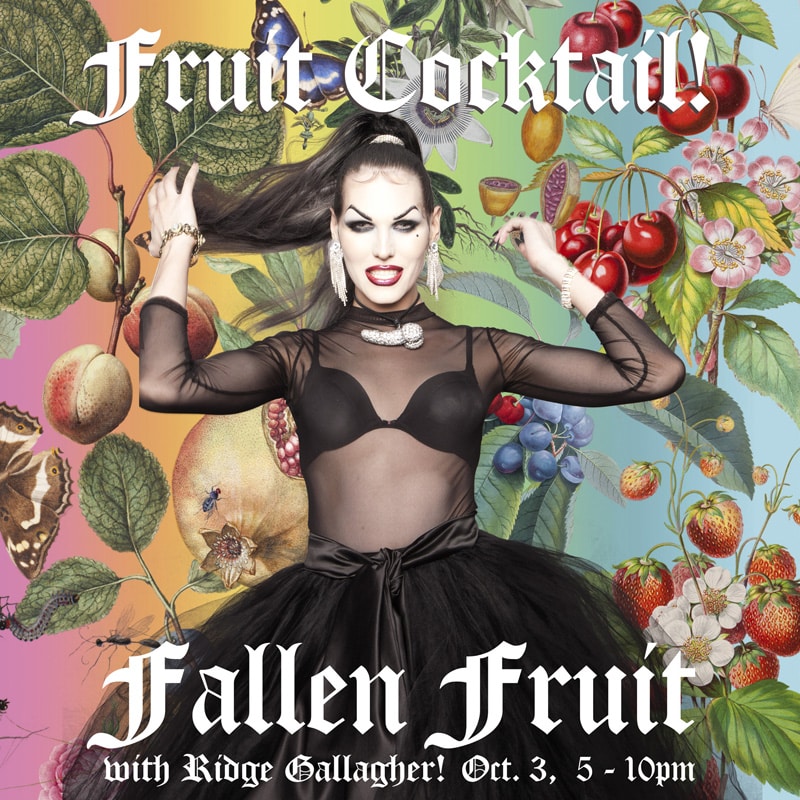
PDC Design Gallery’s inaugural exhibition, SUPERSHOW, features the work of Los Angeles-based artists Fallen Fruit (David Allen Burns and Austin Young) and opens Thursday, October 3 with a reception from 5:00 – 10:00 pm and includes “Fruit Cocktail,” a special performance by Fallen Fruit. The exhibition will be on view until February 23, 2020.
SUPERSHOW Explores Fallen Fruit’s contemporary art practice, reflecting upon a broader, controversial global environmental movement involving food production. As food is inextricably bound to identity, small-scale self sufficient organic farming is becoming a means for cultural rediscovery, invigorating the politics of both left and right and going far beyond community gardening.
Using the subject of fruit as a cultural object to investigate the design of public space and collective experience, Fallen Fruit taps into urban agriculture, a growing global force highlighted recently in London at the Victoria & Albert Museum’s“FOOD: Bigger Than the Plate,” an exhibition featuring artwork by Fallen Fruit.
Continue reading “Fallen fruit SUPERSHOW!”EVENT HORIZON: Darkness is a Temporary Condition
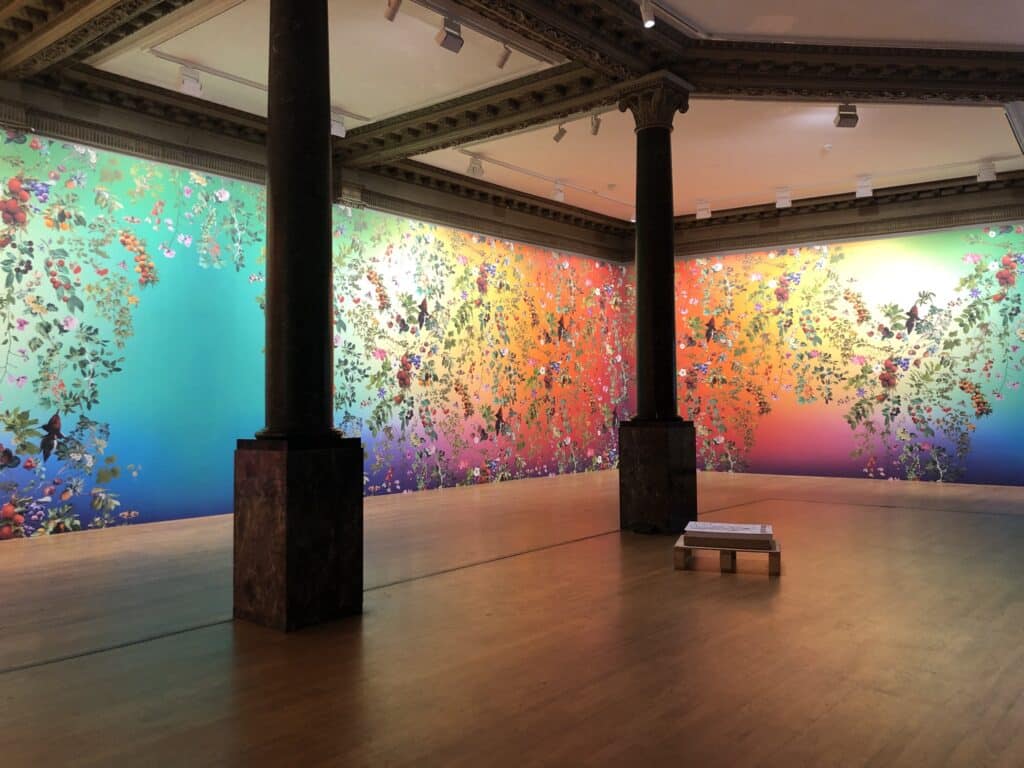
“EVENT HORIZON: Darkness is a Temporary Condition“
Kunsthall 3.14 , Bergen, Norway, opens June 21, 2019, 18:00
21.06.-08.09.2019
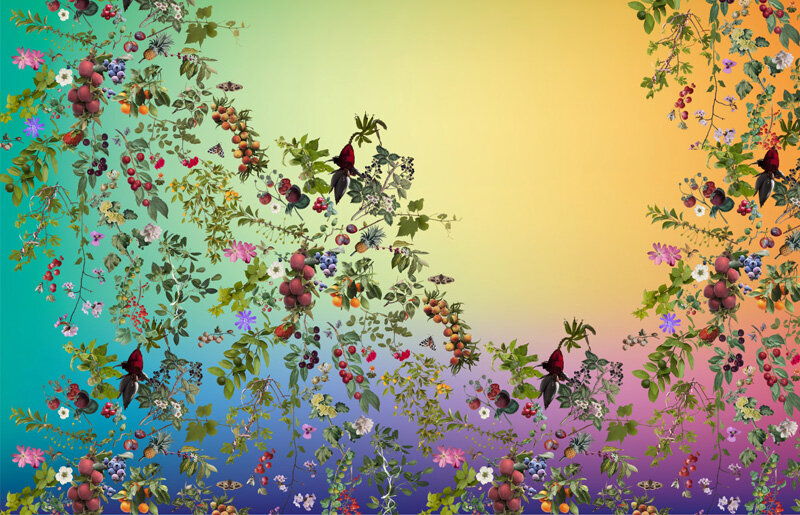
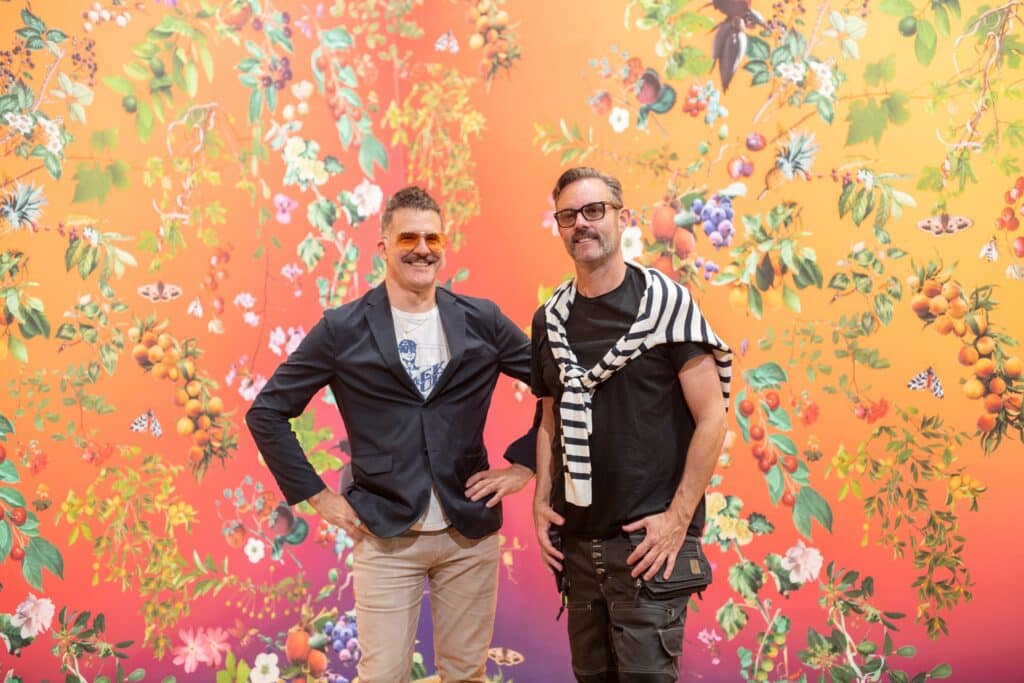
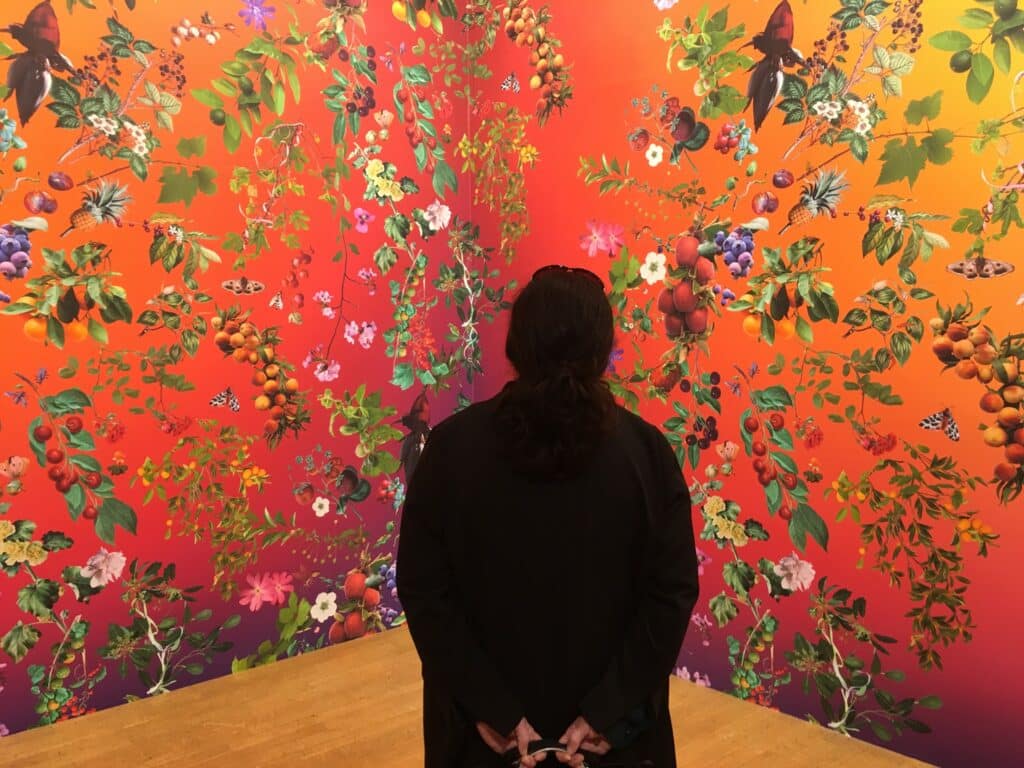
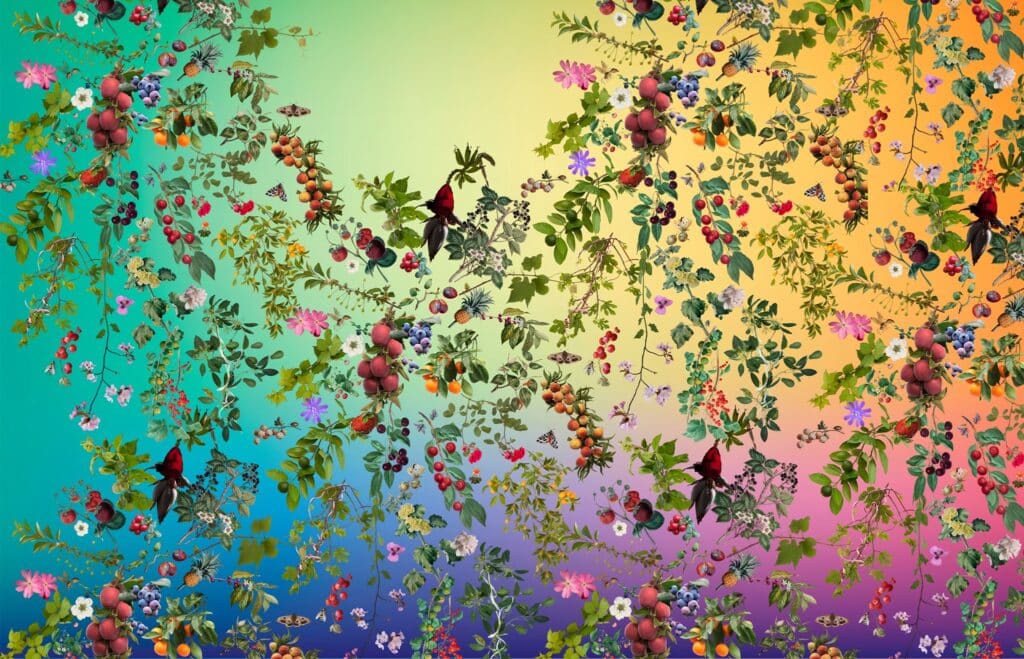
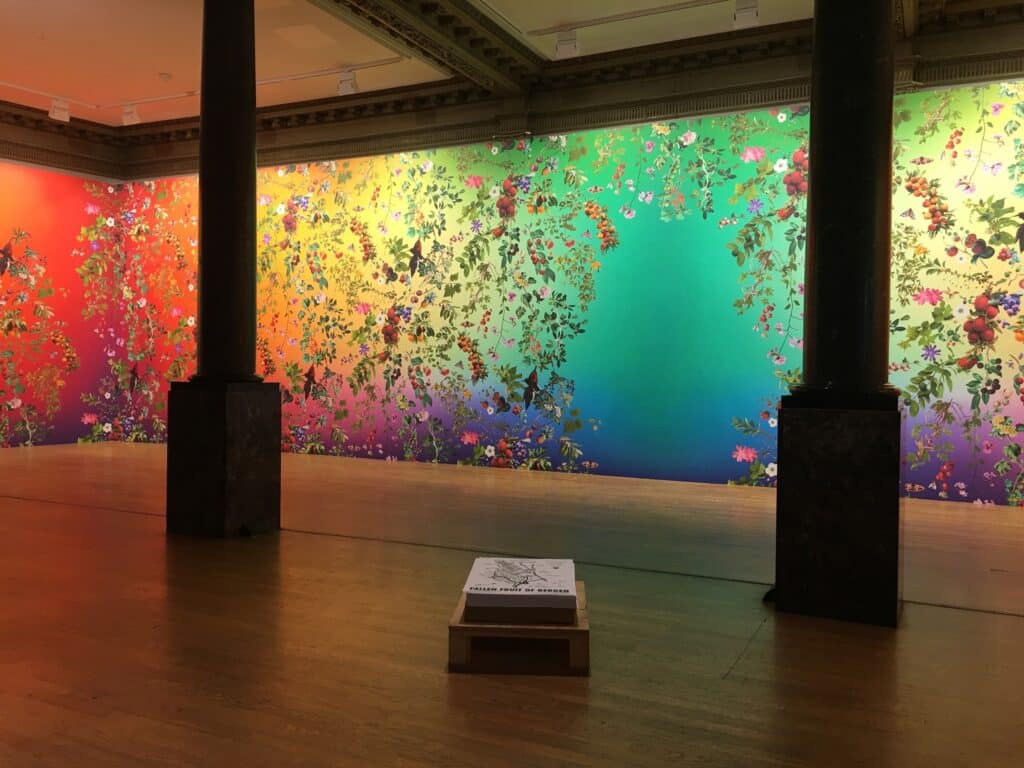
California-based artists group Fallen Fruit (David Allen Burns and Austin Young), make art which explores the role of fruit in creating shared culture both for the institutional art scene as well as for the public urban spaces. For Kunsthall 3.14 they will create two unique installation designs entitled The Day of Eternal Night and Midnight Sun, transforming the entire exhibition hall.
Fallen Fruit at the V&A!
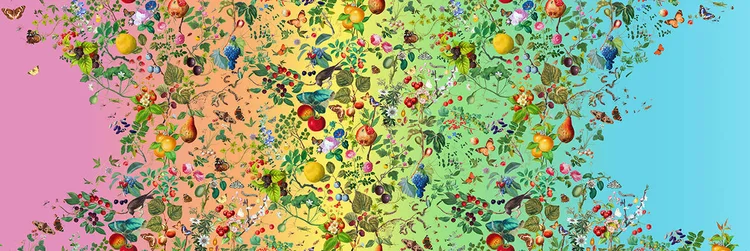
FOOD: Bigger than the Plate
Curated by Catherine Flood and May Rosenthal
Opening on Saturday, 18 May 2019 at the Victoria and Albert Museum in London
Inviting visitors to participate, taste and debate, this bold exhibition explores current experiments at every stage of the food system – from compost to table. From gastronomic experiments to urban farming, this exhibition brings together the politics and pleasure of food to ask how the collective choices we make can lead to a more sustainable, just and delicious food future.
Continue reading “Fallen Fruit at the V&A!”